
Basics · 6 min read
Microdosing and mindfulness: a grounded guide
Mindfulness comes from habits, not from a box. What some people describe when they pair it with microdosing, what research can and cannot say, and why the basics come first.
Updated 30 September 2026
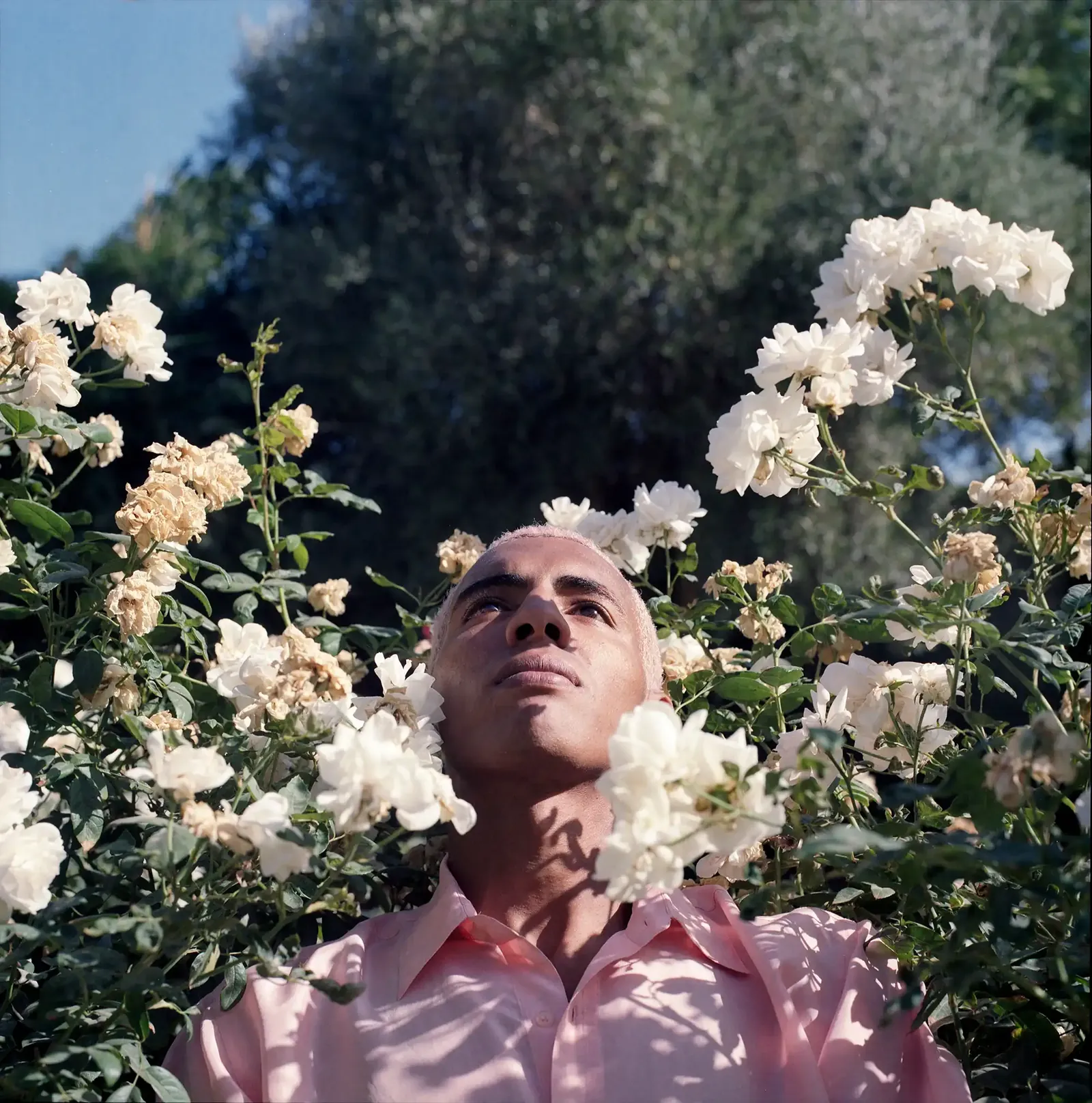
Microdosing and mindfulness are often mentioned together, but they are not the same thing. Mindfulness is a practice: paying attention to what is happening, right now, without rushing to judge it. Microdosing means taking a very small, sub-perceptual amount of psilocybin truffle on certain days. Some people choose to combine the two. In that approach, attention comes first and the truffle is, at most, an optional companion. This guide explains what people describe, what research can and cannot say, and how to build a routine that stays grounded.
A clarification first
Microdosing is not a treatment. It does not treat, cure or prevent any condition, whether depression, anxiety disorders or anything else, and it is not a substitute for care. If you are going through a difficult time or living with a mental health condition, the right first step is to talk to a doctor or a psychologist. That is not a formality: it is the most useful advice we can give you. We explain the difference between microdosing and clinical psilocybin research in microdosing is not therapy.
That said, many adults are curious about microdosing as part of a personal approach: to observe themselves, to slow down, to notice what they feel. That is what this article is about.
Microdosing and mindfulness in a few words
Psilocybin truffles, also called sclerotia, are compact growths that certain fungi form underground. They contain psilocybin, the same compound found in some mushrooms. Microdosing means taking a very small portion, well below the level that changes perception. You are not looking for a psychedelic experience: you go to work, cook dinner, answer emails. Many people follow a rhythm with rest days in between and stop after a few weeks.
Mindfulness, on the other hand, needs nothing but time and attention. It grows from habits you build yourself: sitting quietly for a few minutes, breathing slowly, walking without your phone, eating a meal without a screen, writing down what you notice.
Here is the honest starting point: mindfulness does not come in a box. Some people choose to combine those habits with a microdose, but the practice has to stand on its own. If you stopped the truffles tomorrow, the practice should still be there.
What some people describe
In surveys and personal accounts, some people who pair microdosing with a mindful routine describe:
- feeling a little more present in ordinary moments;
- noticing small details, like light, sounds or taste;
- finding it easier to stay with a short meditation;
- a taste for introspection: wanting to write, reflect, take stock;
- a sense of connection with the people around them, with nature or with themselves;
- curiosity and openness to new ideas or creative activities.
Other people notice nothing in particular. Some feel less comfortable: more nervous, more sensitive, tired, or unsettled in their sleep. These are subjective impressions, not effects anyone can promise. They vary greatly from one person to another, and even from one day to the next for the same person. We describe that whole range in what microdosing can feel like, and the unwanted effects some people report in microdosing side effects.
What research can and cannot say
Scientific interest in psilocybin is real, but research on microdosing remains preliminary and the results are mixed.
- Surveys describe; they do not demonstrate. Many studies rely on questionnaires filled in by people who already microdose, without a control group. They record experiences, but they cannot show cause and effect.
- Expectation seems to play a large part. Placebo-controlled studies published in 2021 and 2022, including a self-blinding study led by Szigeti and colleagues, found that participants who took a placebo reported changes in well-being comparable to those who took a microdose.
- Mechanisms are not outcomes. Researchers study how psilocybin interacts with the brain, notably via serotonin receptors, but no link between these mechanisms and well-being at microdose level has been established.
The honest conclusion: we do not yet know what microdosing does, specifically, for well-being or for a mindfulness practice. That is not a reason for cynicism. It is a reason to stay curious and modest. The studies are reviewed in more detail in what research says about microdosing.
The foundations come first
Well-being does not rest on a single practice. The things that support it are well known, cost little and are available to everyone, with or without microdosing.
| Foundation | A small, realistic step |
|---|---|
| Sleep | A regular bedtime, and screens put away a little earlier |
| Movement | A daily walk, even a short one |
| Time outdoors | A few minutes outside in daylight |
| Relationships | One unhurried conversation, without your phone on the table |
| Calm | Breathing, a short meditation, reading or a slow walk |
| Support | A doctor, a psychologist or someone you trust when things feel heavy |
If you decide to try microdosing, see it at most as a personal exploration alongside these foundations. Never as a replacement for them, and never as a replacement for medical or psychological care. Other practical questions are answered in our frequently asked questions.
Building a grounded, mindful routine
What people perceive depends a great deal on context. Your expectations, the way you approach your day and the attention you pay to yourself all colour the experience. That is why structure helps more than anything.
Before
- Ask yourself three questions. Why am I interested in microdosing, and what am I hoping for? How am I sleeping, eating and moving at the moment? Who can I talk to if I do not feel well?
- Set an intention. One simple sentence: "Today I want to notice how I react when I am rushed."
- Pick a calm day. Avoid days with a long drive, a big deadline or a late night.
During
- Take a few minutes of stillness. Breathing, a short meditation or a slow walk.
- Keep your day normal. Microdosing is meant to fit into ordinary life, not to replace it.
- Notice, do not chase. If nothing special happens, that is fine. Nothing is supposed to happen on demand.
After
- Write it down. Sleep, mood, energy, one moment you remember. A few lines in a microdosing journal are enough, and they let you look at days with and without a microdose with a little distance.
- Respect rest days. They matter as much as dose days, and they give you something to compare against.
- Review after a few weeks. Read your notes calmly. Is this adding something to your life? Be honest if the answer is no: the mindful practice can carry on without the truffle.
Important
- Microdosing is for adults only (18+).
- It is not recommended during pregnancy or breastfeeding, if you or a close family member have a history of psychotic or bipolar disorders, if you have a heart condition, or if you take medication (in particular antidepressants or lithium).
- Do not drive or operate machinery after taking a microdose, and do not combine it with alcohol.
- Talk to a doctor before you start.
- Psilocybin truffles are sold legally in the Netherlands, where BIEN is based. Their status varies from country to country: check the law in your own country.
FAQ
Can microdosing replace meditation?
No. Mindfulness is a practice built through regular attention, and it stands on its own. Some people choose to combine the two, but the microdose is optional; the habit is what you build.
Is microdosing a treatment for stress or low mood?
No. Microdosing is not a treatment for any condition. If you are struggling, talk to a doctor or a psychologist, who can help you find support that fits your situation.
What do people feel when they combine microdosing and meditation?
Some describe feeling a little more present or more attentive to sensations, many notice nothing, and some feel restless. These are subjective reports, and research suggests that expectation plays a large role in them.
Do I need to microdose to live more mindfully?
Not at all. Sleep, movement, time outdoors, relationships and moments of calm are available to everyone. Microdosing is a personal choice some adults make, never a requirement.
Can I combine microdosing with antidepressants?
Taking medication, especially antidepressants or lithium, is one of the situations in which microdosing is not recommended. Never stop or change a treatment on your own, and talk to your doctor about any question you have.
Sources
This article is for information only and does not replace medical advice.
A routine, not a gamble.
Understand before you start.
Basics · 6 min read · 3 January 2024
Microdosing in January: a New Year's guide
January is full of big promises to ourselves. If microdosing is on your list, here is how to approach it with intention, realistic expectations and a calm head.
Basics · 6 min read · 27 June 2023
The Beginner's Guide to Microdosing: The Essentials
Curious about microdosing but not sure where to start? What it is, what to expect (and not to expect), how to approach your first days, and the precautions to take seriously.

Truffles & psilocybin · 7 min read · 15 October 2026
How to store magic truffles: fridge, packaging, safety
Keep your truffles in the fridge, in their original packaging, out of reach of children. Here is why, what to avoid, and how to recognise a truffle you should not use.